
Every design project creates impact, whether the designer or client chooses to recognise it or not. The challenge is to understand what that impact might be.

Don’t wait for a ‘planning’ or ‘strategy’ day to do some analysis. Snatch 60 minutes and tackle on of these tasks… you’ll be amazed what you can achieve.

New research confirms what many designers know: the old ways of working aren\’t cutting it anymore. Let\’s look at what\’s changing and what successful studios are doing about it.

You know the thing most client’s are worried about when commissioning design? That the result will flop and they’ll be embarrassed in front of their colleagues because they backed a loser.
While others dwell on the changes disrupting the design industry, you focus on the things you can change. Introduce a toolkit that helps manage costing, pricing and profit.
You know the thing most client’s are worried about when commissioning design? That the result will flop and they’ll be embarrassed in front of their colleagues because they backed a loser.

Gartner’s latest research found that 65% of CMOs believe AI will fundamentally change their role. Yet only 32% believe they need significantly different skills.
It’s happening everywhere – clients are refusing to meet, they’re requesting designers ‘just send a PDF’. That may be a problem for some, but not everyone.
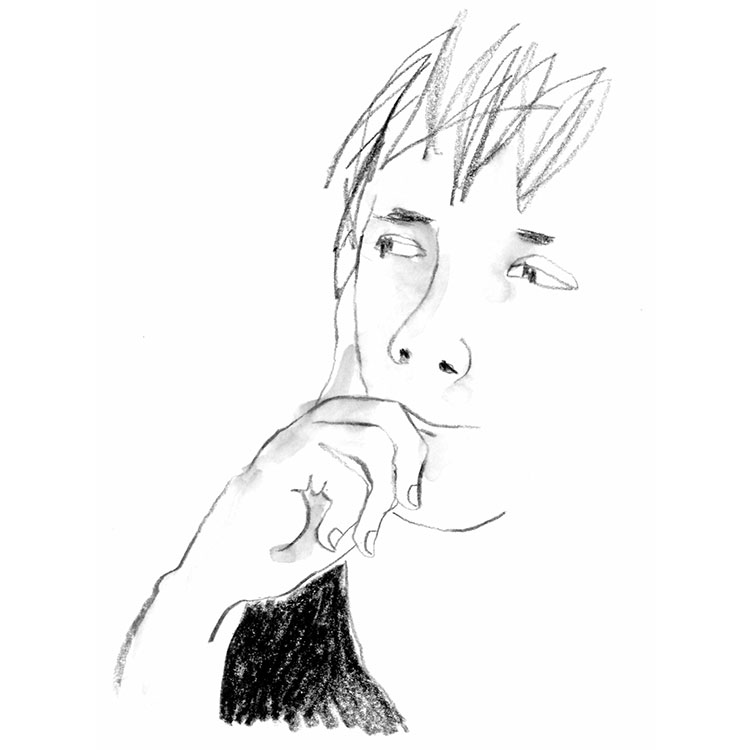
When we ask creative agency owners how things are going we often hear the same answer.
“We’re busy, not profitable enough and feeling burnt out”
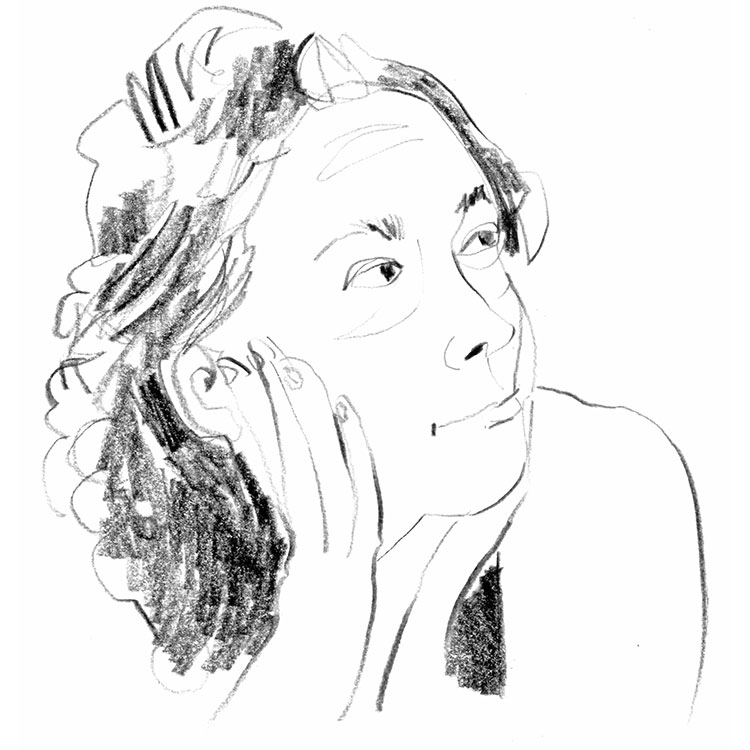
Creative business owners often delay working on their business because of lack of time. Good news is, with a focused mind and a clear goal you can get heaps done in 30 mins.

When we ask creative agency owners how things are going we often hear the same answer.
“We’re busy, not profitable enough and feeling burnt out”
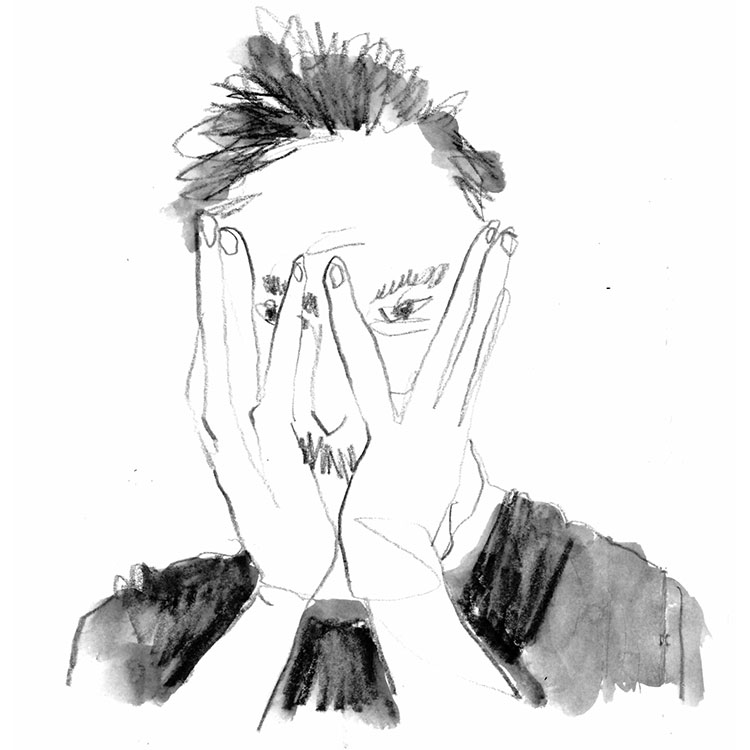
There’s a silent change that has crept up on the creative industry. It’s not about tech, nor is it about $. It’s not even about clients. It’s about isolation.