
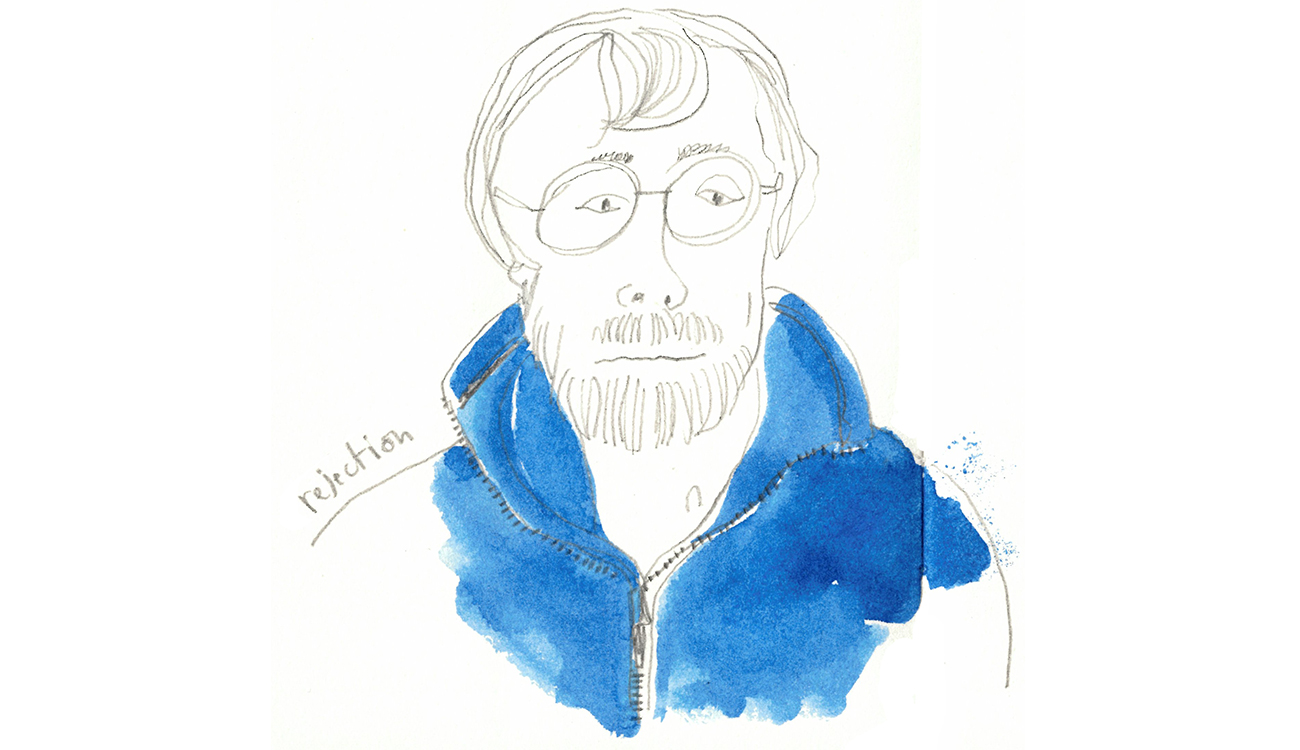
Why great ideas get rejected
People buy from people and sometimes, sadly, success is not based on the quality of design and sometimes it’s not even about budget. Instead it’s based on the psychology of decision-making. Right here, right now, in this economy, decision-making has slowed to an all-time low. Makes it even more important to give clients exactly what they need to come to a timely decision.
A case study in getting it wrong
One of my favourite clients used to love everything I presented. Peter* would accept my designs whole-heartedly, with great enthusiasm. Often, I didn’t even finish presenting before he was suggesting possible extensions.
Problem was, by the time I’d flown home to Melbourne, Peter would have changed his mind and was altering the brief and the scope.
After 20 years of working together, I finally understood the problem wasn’t him, it was me. I wasn’t giving him the information he needed to fully commit to a decision.
The science of decision-making
Harvard Business Review research by Gary Williams and Robert Miller (Change the way you persuade) identified five distinct decision-making styles, developed early in careers and reinforced through repeated successes. Understanding these styles transforms how you present ideas.
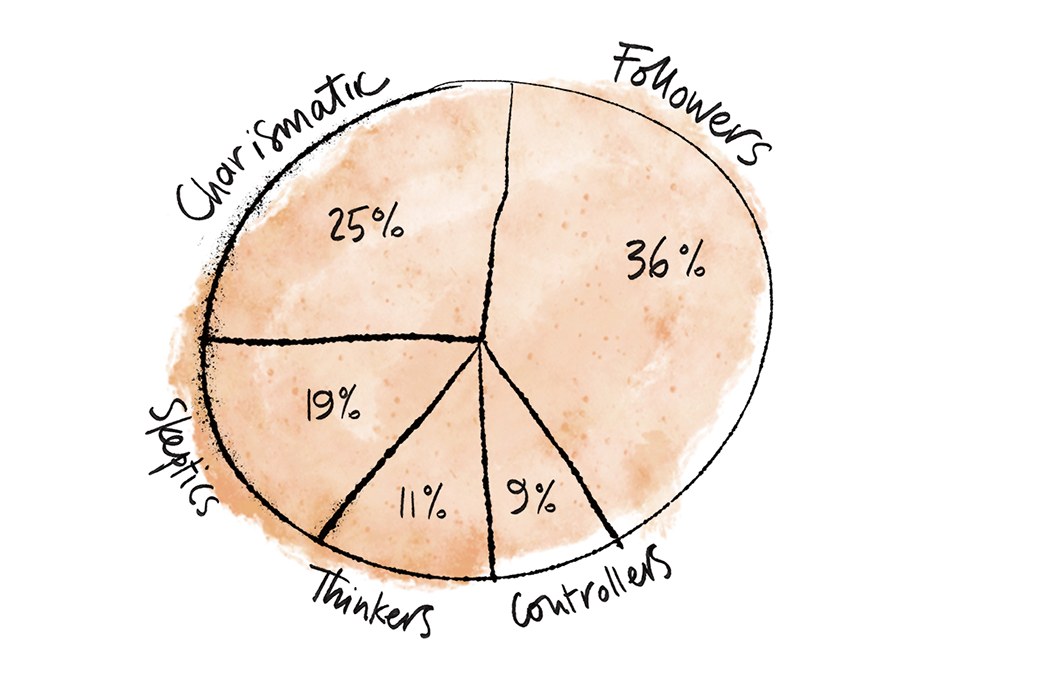 Here’s what they found:
Followers (36% of people)
What they need: Proven solutions with testimonials and case studies
How they decide: Risk-averse, rely on past decisions and what others have done
How to present: Lead with similar client success stories. Emphasize affordability and reduced risk
Danger: Presenting untested or innovative approaches without proof
Charismatic (25% of people)
What they need: Balanced arguments showing pros and cons
How they decide: Tbut change minds quickly
How to present: Don’t join their excitement. Present balanced pro/con arguments and leave written summaries
Danger: Assuming enthusiasm equals commitment
Peter was a charismatic decision-maker. Instead of joining his enthusiasm, I should have stressed features and benefits, even taking the devil’s advocate position.
Skeptics (19% of people)
What they need: Endorsements from credible, trusted sources.
How they decide: Challenge every argument, rely on gut feelings.
How to present: Bring testimonials from reputable sources. Consider co-presenting with a trusted colleague.
Danger: Taking their challenges personally.
Deep thinkers (11% of people)
What they need: Data, market research, detailed analysis.
How they decide: highly logical and respond better to well-researched qualitative arguments rather than opinion.
How to present: Provide cost/benefit analysis, customer surveys, market research. Give them time.
Danger: Rushing them or relying on subjective opinions.
Controllers (9% of people)
What they need: Highly structured, expert-backed arguments.
How they decide: Analytically, hate uncertainty, need to “own” the decision.
How to present: Use facts supported by experts. Let them reach the conclusion themselves.
Danger: Expecting immediate decisions.
Reading your client
The first step is asking what information and timeframe they need to make a decision. Listen for clues:
- Do they mention what others in their industry are doing? (Follower)
- Do they get excited quickly but ask lots of “what if” questions? (Charismatic)
- Do they challenge your recommendations or ask who else endorses this? (Skeptic)
- Do they want to see all the research and data first? (Thinker)
- Do they need to understand every detail before proceeding? (Controller).
The design parallel
We already do this in our design work. Infographics are for big-picture readers and detailed narratives for those who want to dive deep. We design for different ways people process information.
It makes perfect sense to present differently depending on your client’s decision-making needs.
Next steps
Decision-making isn’t one-size-fits-all, because clients aren’t one-size-fits-all. By understanding your client’s decision-making style(s), may make it easier to present the same great idea in the way they need to hear it.
This might help clients make decisions quicker.
And make decisions that stick.
Yes, it’s worrying AI could replace creativity, but there’s real value of focussing on what technology can’t replicate: reading people and adapting your approach accordingly.
As always, happy to discuss further, just email Carol
Carol Mackay
Want more insights like this? Subscribe below. (And tell your friends 🙂)
The Design Business Review is Australia’s only online design management magazine. It’s professional development information written specifically for Australian designers by Australian designers. Best of all, it’s free.
Related articles about clients
When clients don’t get branding
Why clients resist change and how to help them embrace it
Case study: helping a design agency find their niche
Why your competitors are stealing your clients (while you stay silent)
About Carol
After 30+ years running a design studio, I accumulated a pretty special network of fellow designers. One thing most have in common: a need for more information about the ‘business’ side of design. Most are impatient with any task competing for time spent doing what they love – designing so they wanted more info about how to work more efficiently and effectively.
Not me. I love that intersection between design and business. I built a career working with Ombudsman schemes, the Emergency Services sector and the Courts. My special power has always been an ability to use design to translate the difficult to understand or the unpalatable message.
I now use exactly the same skills with creative business owners. I translate the indigestible into bite-sized chunks of information. I share insights, introduce tools and embed processes to help others build confidence business decision-making skills. More confidence makes it easier to grasp opportunities. More confidence makes it easier to recognise a good client from the bad.
Outside DBC I have mentored with Womentor, AGDA The Aunties, and most recently Regional Arts NSW.
And I’m a proud volunteer and board member of Never Not Creative.
Always happy to chat, I can be contacted here.
