
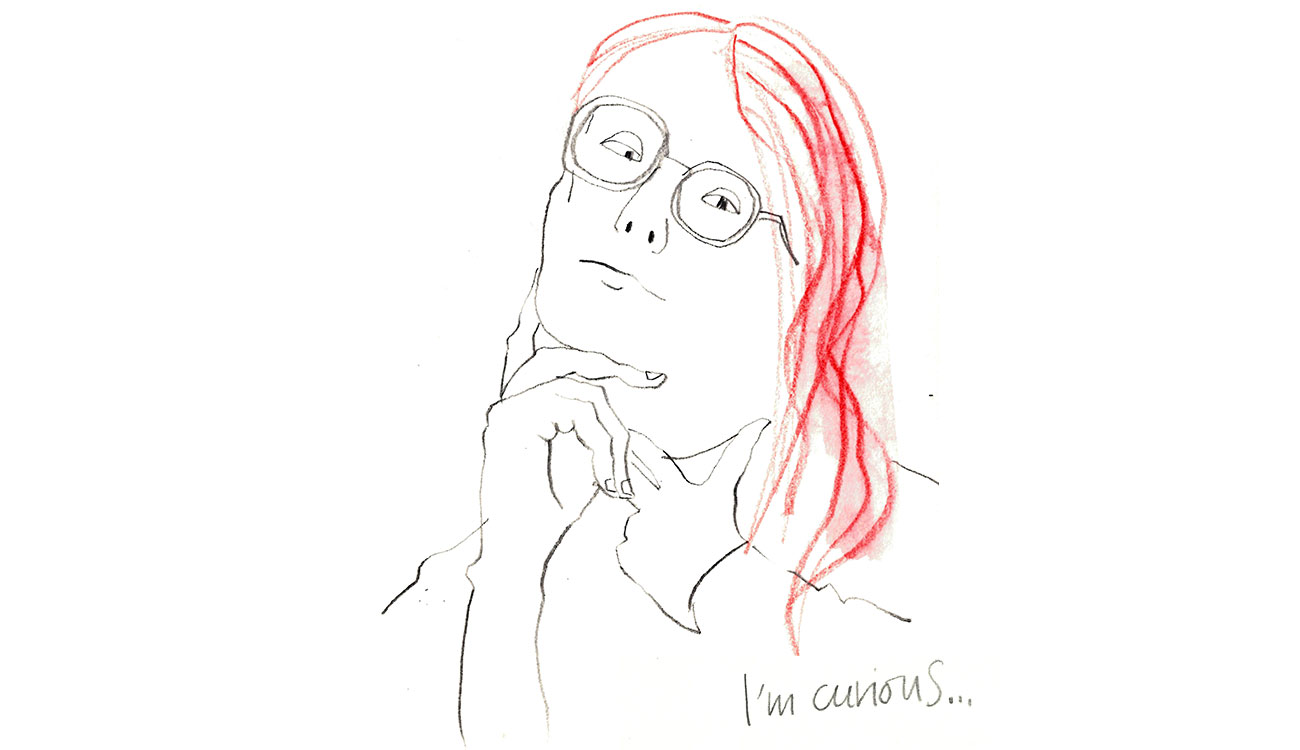
Are you ready to pivot?
The future belongs to designers who can sit at the table and talk about revenue, retention and risk: not just colour and type. That’s not abandoning design. It’s elevating design to a creative consultancy.
The designers thriving in 2026 aren’t the ones with the best AI prompts – they’re the ones who’ve figured out how to position AI as their creative assistant while they focus on what clients actually pay premium rates for: strategic thinking, business insight, and creative problem-solving that drives results.
If you’re a visual designer still positioning yourself as a pixel-perfect executor, you’re missing the ship. The future belongs to those who pivot from being suppliers to creative consultants who understand human behavior and business outcomes.
Here’s how we think you have to work to thrive in 2026:
1. From “pixel pusher” to “creative consultant”
Generative AI, such as Adobe Firefly and Canva Magic Design, has turned the generation of layouts, logos, and image editing into tasks measured in seconds.
- The pivot: Instead of spending hours designing variations, your job is to guide the AI, curate its best outputs, and apply the final “human touch”.
- The new workflow: Use AI for brainstorming and rapid prototyping, then focus your expertise on emotion, aesthetics and brand alignment.
2. From single assets to complete solutions
In 2026, designing a single static asset is rarely enough. Clients don’t just want a logo – they want a brand system that works across every touchpoint. They don’t want a website – they want a digital experience that guides users seamlessly from discovery to purchase.
- The pivot: Master design systems and scalable frameworks. Think beyond individual deliverables to how your work behaves across multiple platforms, devices, and customer interactions.
- The skill: Move from “designing things” to “designing experiences” — understanding user flows, touchpoint mapping, and how design decisions impact business outcomes.
3. The new power skills: AI prompting and curation
Knowing the tools (Figma, Adobe CC) is now a baseline expectation, not a differentiator. The new required skill set involves manipulating these tools with AI integration.
- The pivot: Become a master of prompt writing specifically for design, learning to direct AI to create useful, on-brand assets rather than generic imagery.
- The skill: The value lies in curating AI output to ensure it aligns with human emotion, cultural context, and psychological impact, areas where machines still fail.
- The example: A Sydney studio we are working with recognised the potential. They trained the team in prompt writing for design tasks then built internal libraries of on-brand prompts and visual directions and used AI to generate early-stage concepts, layouts and imagery
4. Use data to justify design decisions
Visuals must now do more than look good; they must perform. The ability to show measurable results – not just aesthetic improvement – is what separates strategic designers from order-takers.
- The pivot: Learn to track and present metrics that matter to business owners: conversion rates, user engagement, error reduction, time-to-completion.
- The skill: Start simple, measure behaviour analytics before and after on every project. “Your new checkout design reduced cart abandonment by 18%” is worth more than any design award.
5. Embrace hyper-humanity through craft and story
As design tools become automated, clients increasingly value work that feels genuinely human – imperfect, tactile, and emotionally resonant in ways AI can’t replicate.
- The pivot: Invest time in custom illustration, hand-lettering, photography, or conceptual thinking that tells a unique story. Clients will pay premium rates for work that’s unmistakably yours.
- The skill: Lead with narrative and empathy in your process. Spend time understanding not just what clients need, but why their customers should care.
- The example: A Melbourne studio working for a national health and well being brand changed their narrative from clinical polish toward human presence. They introduced hand-drawn typography used in key messaging — slightly uneven, personal, relatable with photography focused on real, unfiltered moments — homes, everyday environments, not staged scenarios with copywriting built around pause, reassurance and emotional reality — not instructions or information
The pivot is a revolution
Designers in 2026 are not just creators; they are storytellers who manage a varietyof partners to produce work faster, more engaging, and deeply strategic.
Are you ready to pivot?
The future of design is already here.
Greg Branson
DBC help designers build a more profitable design business
• helping identify and target better clients
Have you subscribed? Have you suggested your friends subscribe? Help share the love. We’re proud to say the Design Business Review is Australia’s only online design management magazine. It’s professional development information written specifically for Australian designers by Australian designers. Best of all, it’s free.
Greg Branson
Design Business Council
www.designbusinesscouncil.com
greg@designbusinesscouncil.com
Greg’s passion is the research and development of methods that improve design management and the role of design in business.
His longevity is in his ability to change and adapt. Greg’s career as a traditionally-trained photographer; became an academic, teaching photography to design students. He co-founded and ran Mackay Branson design (for over 25 years) until, recognising an area that he loved – design management – was not an area traditionally covered in design education. This lead to him founding Design Business Council. Since then he has worked alongside hundreds of Australian creatives helping them manage their business better.
Greg has sat on the AGDA Victoria and National councils, on a number of University and TAFE Advisory Boards and helped rewrite the VCE Visual Communication curriculum.
Outside of DBC, he is a passionate analogue photographer who spends an inordinate amount of time in his darkroom. You can follow his work on instagram @gregurbanfilm
Always happy to chat, he can be contacted here
.
