
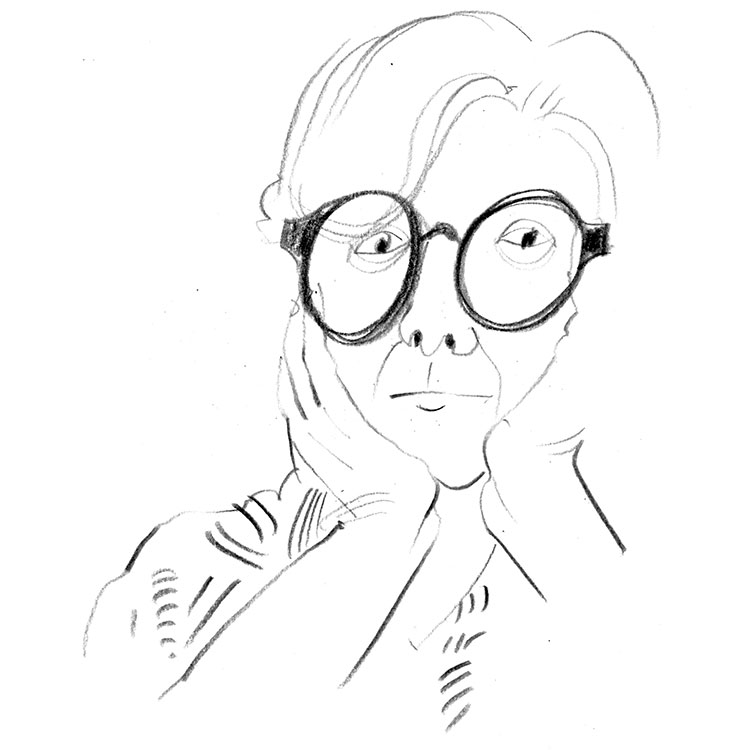
Understanding resistance as a natural human response changes how you approach client presentations and feedback sessions.
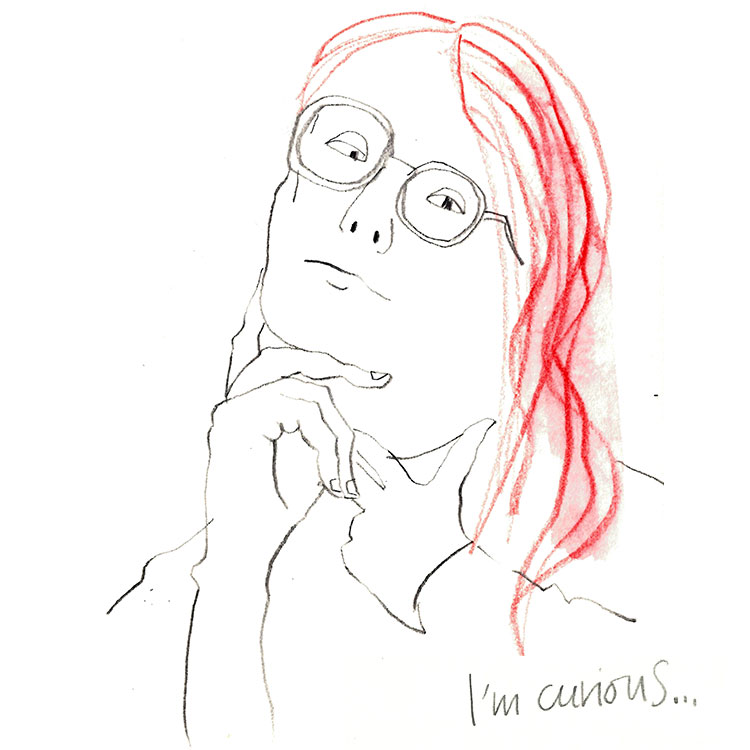
The goal is not to replace human creativity, but free it from repetitive, mundane tasks. Designers not just creators; we’re storytellers managing AI to produce more engaging, and deeply strategic work.

New research confirms what many designers know: the old ways of working aren’t cutting it anymore. Let’s look at what’s changing and what successful studios are doing about it.
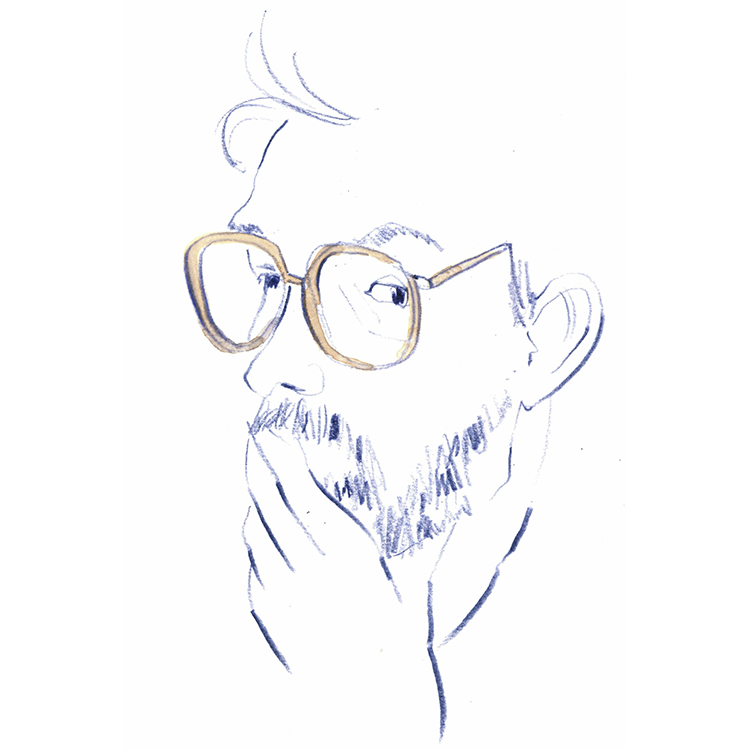
Success is not entirely based on design, nor is it always about budget. I’s based on the psychology of decision-making. Giving clients what they need to make a decision.
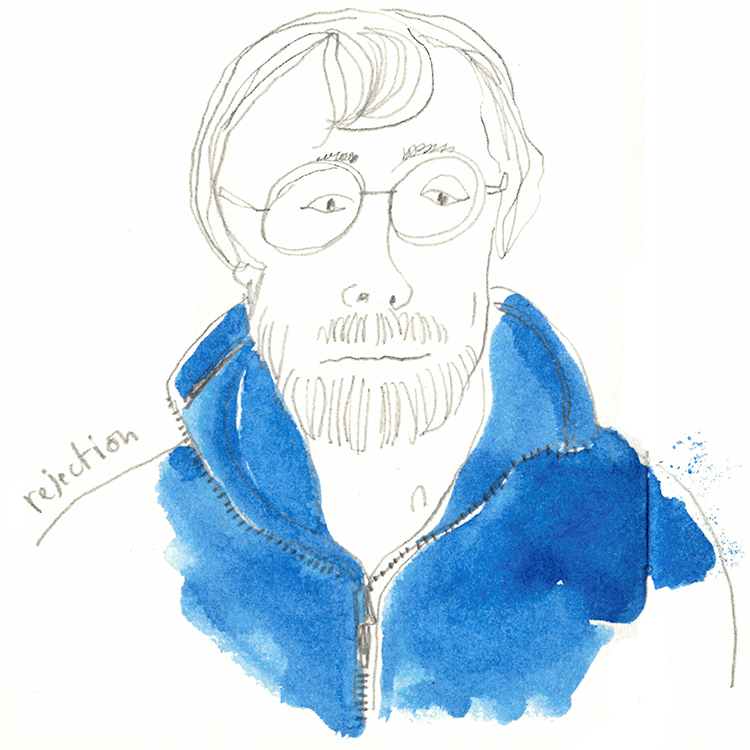
Success is not entirely based on design, nor is it always about budget. I’s based on the psychology of decision-making. Giving clients what they need to make a decision.
It’s no longer about whether you use AI, it’s about proving responsible use. State Governments have published AI policies expecting transparency, human oversight, and documented processes.

Future client conversations will no longer be about ‘easy problems’ and, more importantly, they’re less likely to be initiated by prospective clients.

The design industry feels harder than ever. Tighter budgets, AI competition, fewer opportunities. But the best strategy might be the simplest one.

Most clients aren’t actually thinking about your proposal when they say we need to think about it. They’re stuck, confused, or politely trying to get away.

We work all year to prove our creativity, nurture client relationships and project personality so don’t fall at the last hurdle … put some thought into your holiday out-of-office auto reply.

2025 has been a year of disruption for designers and all indicators say 2026 will be as turbulent. We think designers need these (new) to survive.

The uncomfortable truth: while you’re perfecting your portfolio, other designers are building relationships through content. Every week you stay quiet is another week potential clients discover someone else.